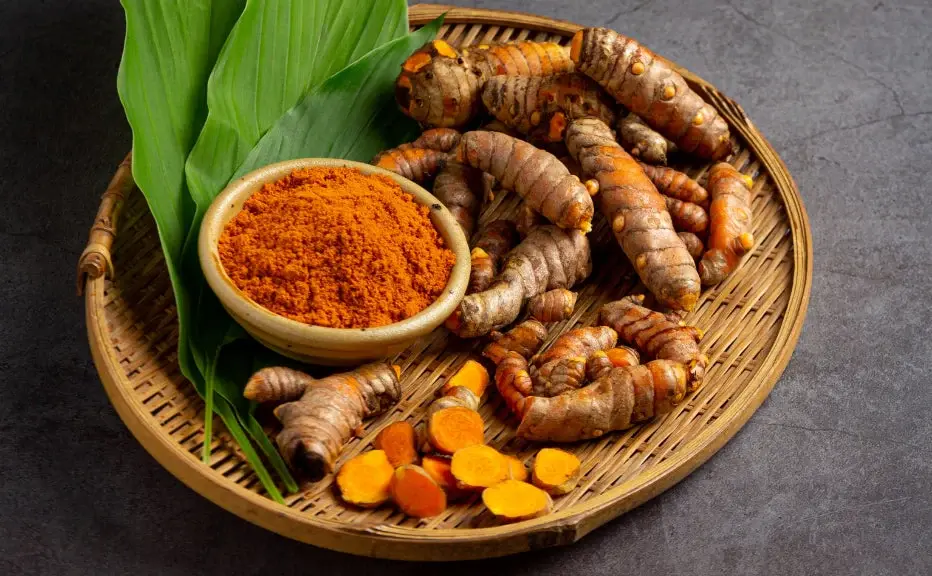
1. The Bioavailability Secret (The Hack)
The biggest secret of turmeric is that eating it plain is clinically ineffective. Curcumin (its active compound) is hydrophobic and rapidly cleared by the liver. To unlock its power, it must be paired with Piperine (black pepper) and a healthy fat. Clinical studies show that piperine increases curcumin absorption by an astonishing 2,000% by temporarily pausing the liver enzymes that eliminate it.
2. Molecular Inflammation Control
Instead of just masking symptoms, curcumin operates at a genetic level. It directly blocks NF-kB, the molecular "on-switch" for chronic inflammatory diseases. It downregulates inflammatory enzymes like COX-2 with an efficacy comparable to pharmaceutical anti-inflammatories, but without the toxic side effects.
3. Validating Avicenna’s Anatomy
A thousand years ago, Avicenna documented turmeric's ability to clear deep obstructions in the liver and spleen. Today, gastroenterology validates this exact mechanism: curcumin triggers gallbladder bile release, flushing out heavy molecular waste and protecting hepatic tissue at a cellular level.
In his 11th-century medical encyclopedia, The Canon of Medicine, the legendary physician Avicenna (Ibn Sina) cataloged turmeric under the historical name Uruq al-Sufra (The Yellow Roots). He classified it as a potent "Hot and Dry" therapeutic substance, specifically praising its ability to open deep obstructions in the liver and spleen, cleanse the blood, and resolve chronic respiratory and joint conditions caused by excess body moisture. Avicenna was among the first in medical history to document turmeric's profound hepatoprotective (liver-protecting) and anti-inflammatory properties, a thousand years before modern science isolated its active compounds.
4. Origin and Global Cultivation
The Native Source: Turmeric is natively indigenous to Southern Asia (primarily India), requiring tropical temperatures and heavy annual rainfall to thrive.
The African Adaptation: While India remains the world's largest producer, turmeric is now successfully cultivated in tropical and subtropical regions of Africa, including parts of West and East Africa (such as Nigeria, Madagascar, and Tanzania). In South Africa, it thrives beautifully in the warm, humid, frost-free subtropical climates of Mpumalanga and KwaZulu-Natal, delivering an exceptionally fresh, potent local yield.